
The Super-Brain Builder: What It Takes to Organise the World's Knowledge


Imagine walking into a massive, glittering library that stretches as far as the eye can see. Every book in the world is floating around in a chaotic tornado. Papers are flying, facts are bumping into each other, and nobody can find the math homework or the dinosaur guide they need.
Now, imagine someone walking in, snapping their fingers, and instantly turning that wild tornado into a neat, peaceful, perfectly organized super-computer where you can find any answer in one second.
That is what a Knowledge Architect does. And one person spent 30 years doing it for some of the biggest companies on planet Earth!
Let's break down what that incredible journey actually looks like.
What is a "Knowledge Architect"?
Think of an architect who designs skyscrapers, but instead of building with steel and glass, they build with information, ideas, and data.
For 30 years, a master systems builder has been doing just that for some of the biggest companies in the world—places like BP (energy), McDonald's (food), VISA (money), Hershey's (chocolate), Pfizer (science and medicine), and the Port Authority of NY (bridges, tunnels, and airports).
Using a powerful super-software called OpenText and implementing it end to end, this expert spent three decades making sure massive global companies could instantly share secrets, find important files, and solve hard problems without losing their minds.
1. Organizing the Giants (30 Years in Fortune 500 Companies)
Have you ever tried to organize your bedroom and gotten overwhelmed by all your toys, clothes, and school papers? Now imagine doing that, but for massive global companies that employ hundreds of thousands of people spread across different countries.
For thirty years, this expert built giant "brains" for huge household names:
BP (energy and fuel)
McDonald's (the mega-restaurant behind your favorite fries)
Ford Foundation (Non for Profit)
VISA (the magic behind credit cards that lets people buy things all over the world)
The Hershey Company (makers of delicious chocolate)
Pfizer (scientists who help create life-saving medicines)
The Port Authority of New York & New Jersey (the tunnels, bridges, and airports that keep a whole state moving)
For these companies, knowing the right information at the exact right second can save millions of dollars or even help scientists invent new medicines faster. Using special high-tech computer tools like OpenText software, our expert built the invisible digital filing cabinets that keep these massive empires running smoothly.
2. Inventing 30 Books From Absolute Zero
Building filing cabinets for companies is one thing, but what happens when you start writing your own books to teach the world how to think better?
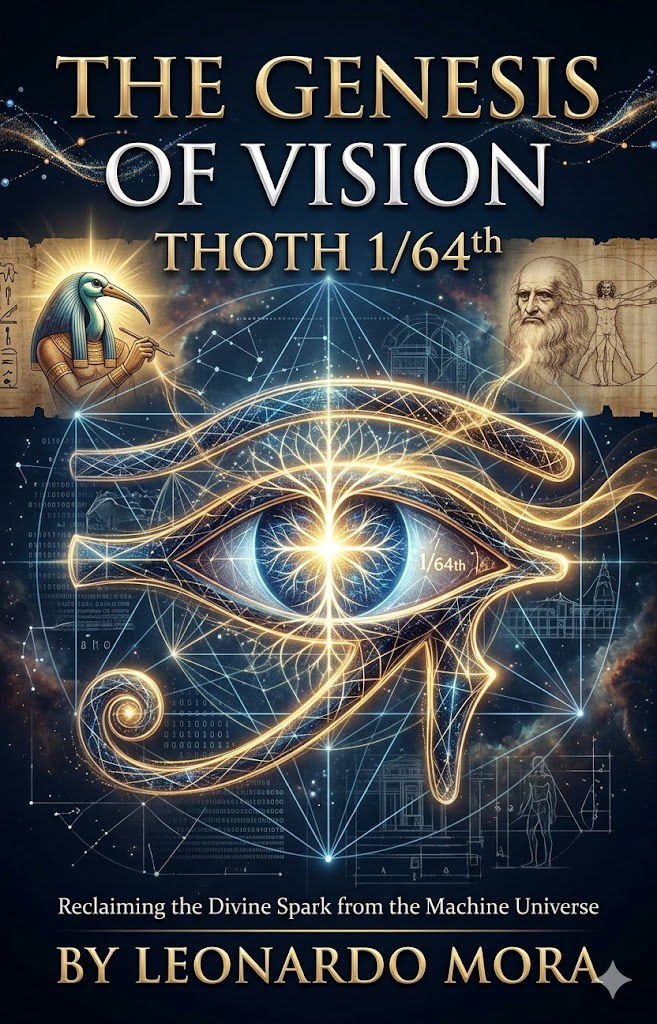
Starting from absolute zero—looking at a blank white computer screen with no notes and no map—this creator wrote 30 different books. That is not just one story about a wizard or a dragon; these books dive deep into heavy, fascinating ideas:
Knowledge and Wisdom Concepts: How humans learn, remember, and grow smarter.
Type I Civilizations: Imagining a future where humans harness 100% of the energy of our entire planet (think Star Trek level technology!).
Psychology: Figuring out why people act the way they do.
Leadership: How to guide a team without being bossy.
Radical Empathy: Learning to step so deeply into another person's shoes that you can truly feel what they feel.
Social Rehabilitation: Finding ways to help broken systems and communities heal.
3. The Digital Footprint: Articles, Websites, and YouTube
If Writing 30 books wasn't enough. The creator also built:
250 articles exploring different tricks, lessons, and secrets about various aspects of life.
11 different websites acting as digital ecosystem for all these ideas.
40 episodes on the Suntawk.com YouTube channel, talking out loud about big ideas, deep questions, some quantum physics, and how the world works.
What Does All This Mean?
When you put all of these pieces together—the 30 years with giant corporations, the 30 self-made books, the hundreds of articles, and the videos—it tells a story about a super-connector.
Some people spend their lives collecting toys; others spend their lives collecting video game high scores. This person spent his entire life collecting understanding. They figured out how massive groups of people work, how digital technology can store human wisdom, and how to write it all down so the next generation can build an even better world.
Think of them like a master architect of human thought, turning a messy world of information into a clear map for everyone else to follow.
From Corporate Super-Brain to Creator
Doing that for big companies is a huge job, but what happens when someone takes all those problem-solving superpowers and turns them toward helping humanity?
For 19 years, this same creator started from absolute zero and built an incredible universe of learning:
30 Original Books: Written from scratch, exploring deep concepts like wisdom, human psychology, great leadership, radical empathy (feeling what others feel), and how we can heal communities.
Type I Civilization Ideas: Imagining what our planet will look like when humans finally learn to use all our energy wisely and live in total harmony with technology and nature.
250 Articles: Written to explore every corner of daily life and human experience.
11 Websites & 40 YouTube Episodes: Hosted on platforms like Suntawk.com, sparking global conversations on wide-ranging, mind-expanding topics.
Why Does This Performance Matter?
When you look at a track record like this—30 years of organizing corporate giants and nearly 2 decades of building books, websites, and shows—it teaches us three big lessons:
Everything is Connected: Whether you are organizing millions of corporate documents or writing a book about empathy and space-age civilizations, the core skill is the same: helping humans understand each other and their world.
Consistency is Magic: Writing 30 books and hundreds of articles doesn't happen overnight. It takes showing up every single day for years, brick by creative brick.
Curiosity Never Retires: True experts never stop learning. After mastering computer systems and Knowledge Management technologies for top companies, the real passion became figuring out how the human mind works and how to make the future better for everyone.
That is what 30 years of knowledge management really means: taking a messy, complicated world and turning it into a clear roadmap and ecosystem for the future generations!
GAWK Corporation


Comments